A capsule collection · Berrak Zeynep Okyar × Emmetex

Mother of Pearl
Bioyarn from brown seaweed — luxury that returns to the ocean.
Premiering at

A capsule collection · Berrak Zeynep Okyar × Emmetex
Bioyarn from brown seaweed — luxury that returns to the ocean.
The narrative
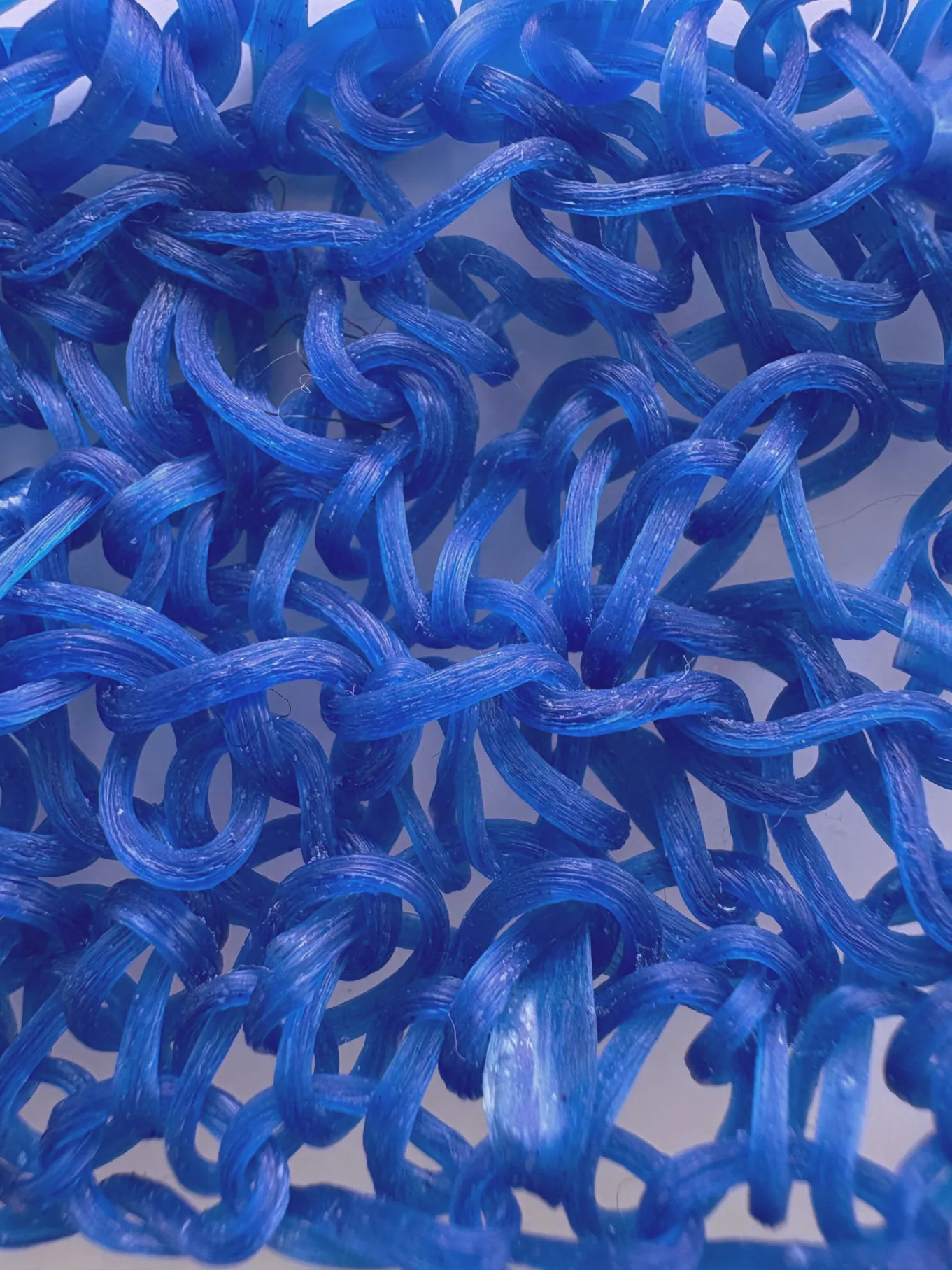
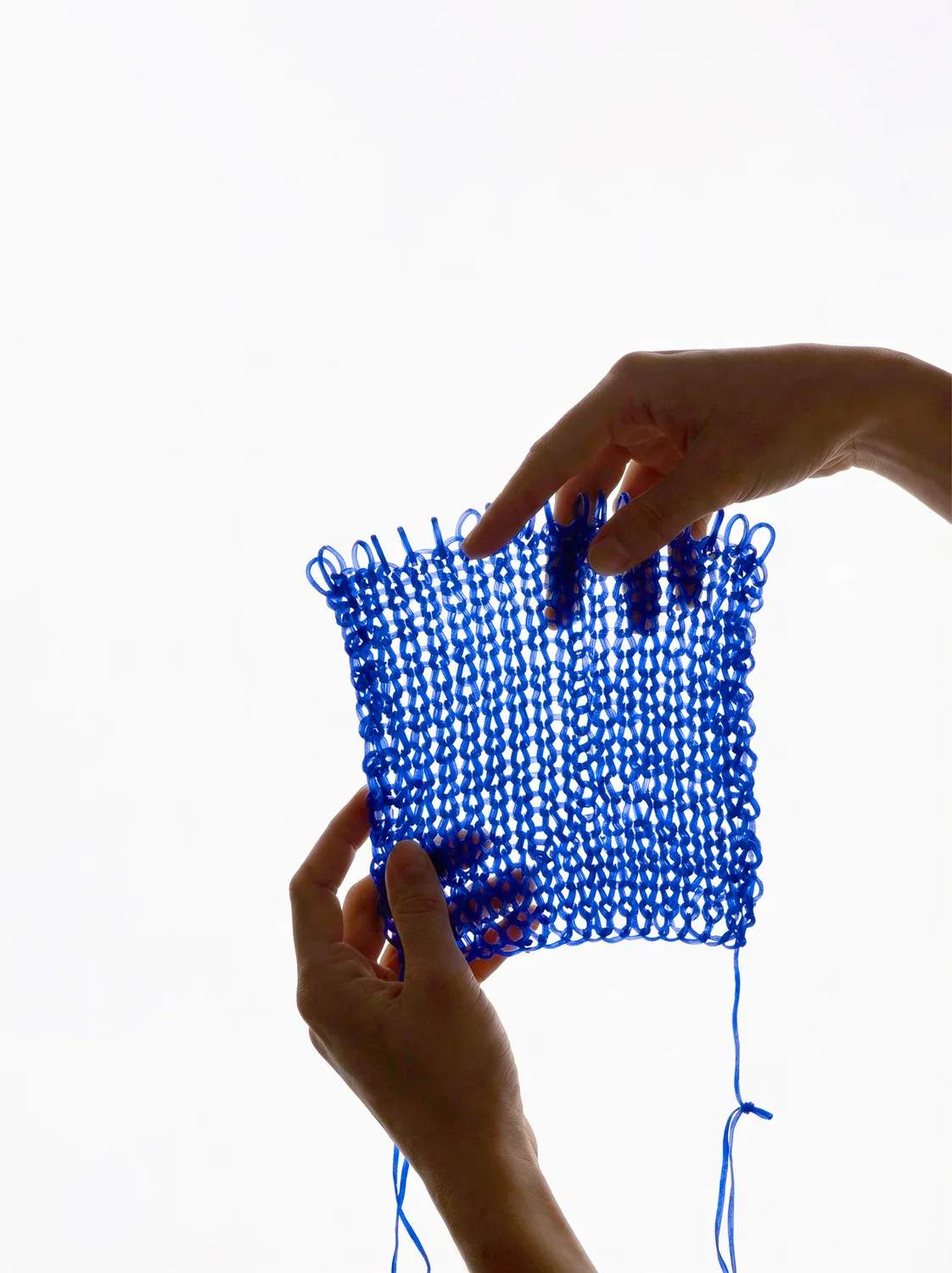
It is a tale rising from the depths of the sea. A thread derived from algae is shaped by hand and time into a knitted surface that carries memory, like a living trace.
Mineral blue appears as a subtle line across the surface, referencing the marks left by water, while the memory of salt becomes embedded within the texture.
Drawn from the sea, this material transforms into an object and becomes part of a ritual — something to be touched, used, and remembered. The knitted surface settles onto the glass bottle, protecting and carrying the essence within. When activated by water, it begins to dissolve and transform, returning to its origin.
Sustainable and biodegradable, the project proposes a material system that leaves a trace while ultimately returning to nature.
The objects
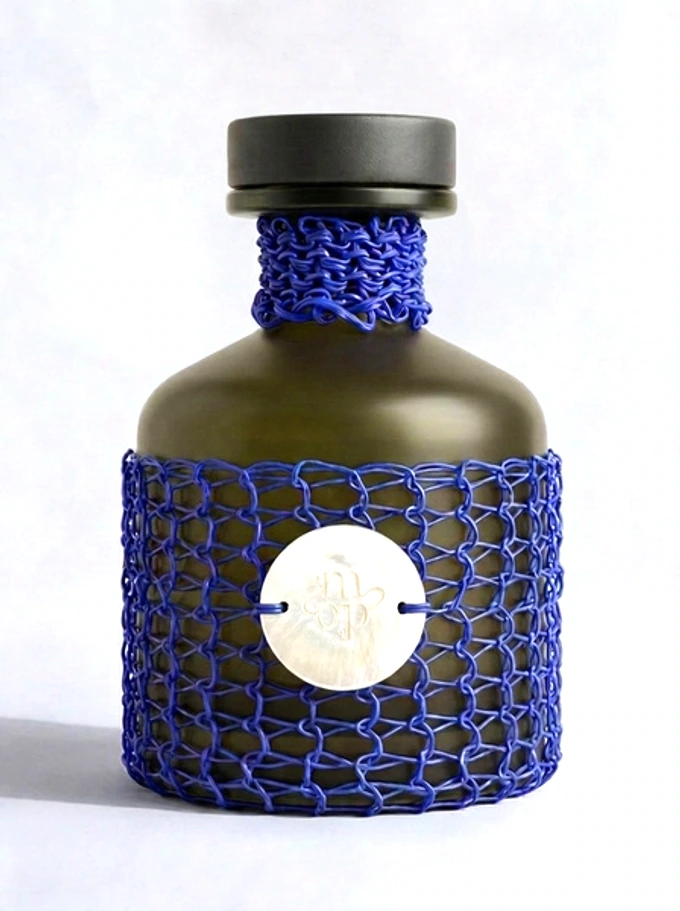
A hand-knitted bioyarn layer over a glass fragrance bottle, finished with a mother-of-pearl medallion engraved with the monogram.
A surface drawn from the sea, becoming a vessel. The hand-knitted layer settles over the glass bottle, transforming into a surface of memory that envelops the fragrance. In this context, the perfume exists not only as a fragrance, but as a trace preserved within the surface and the material — something remembered by the water.
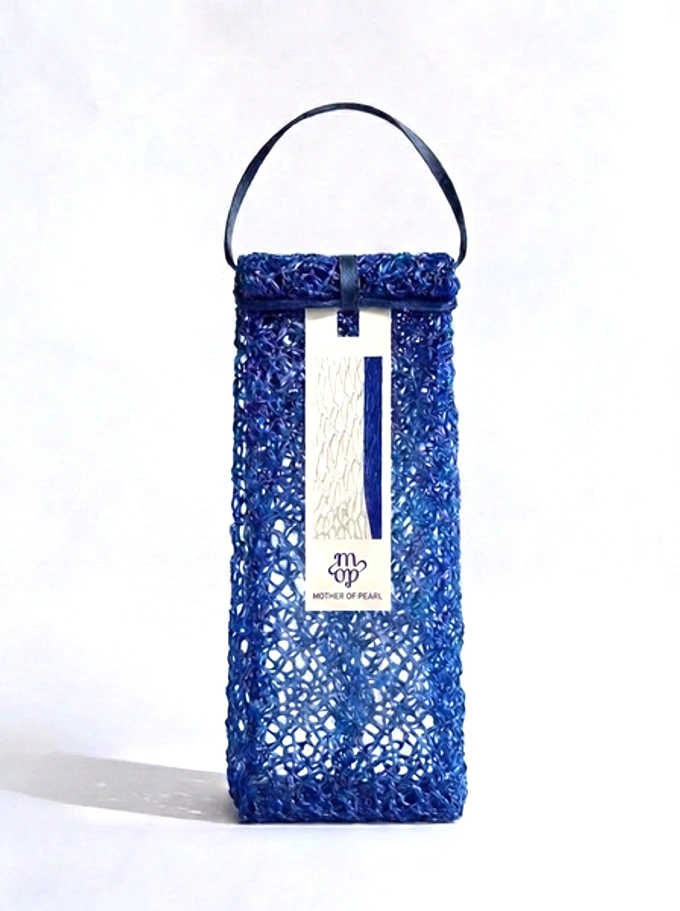
An entirely hand-knitted bioyarn carrier pouch; each piece unique due to the mineral pigment.
A moving surface, a carried trace. Entirely hand-knitted, this form reflects the fluid and permeable nature of water. Mineral pigment marks create a unique layer of memory on each piece, varying from one to another. More than a carrier, it becomes a moving extension of the material and its narrative — a surface that transforms through touch, use, and time.
What it's made of
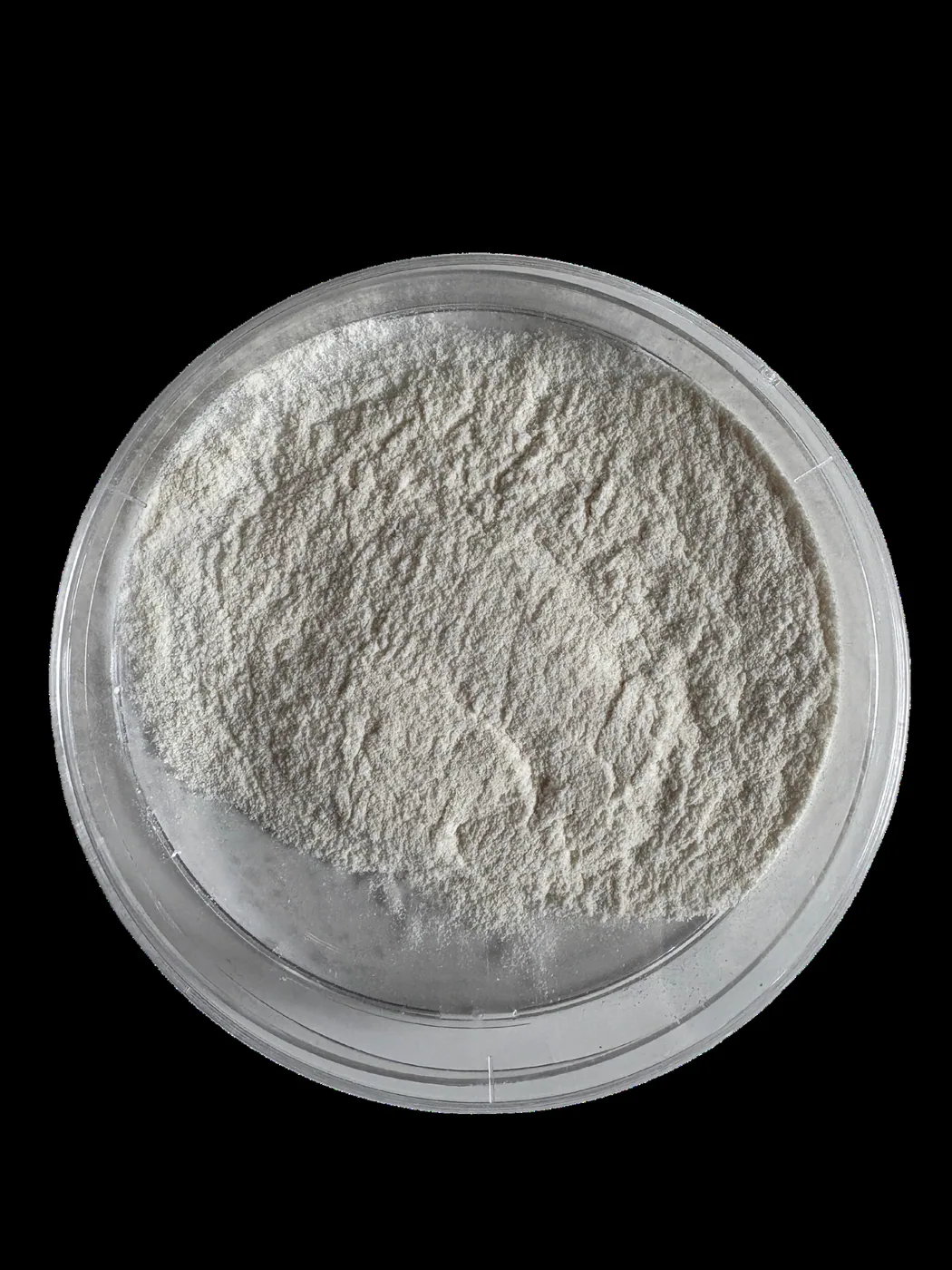
The process begins with sodium alginate, a natural polymer derived from brown seaweed, combined with water, glycerine and a blue mineral pigment derived from lapis lazuli — forming a gel.
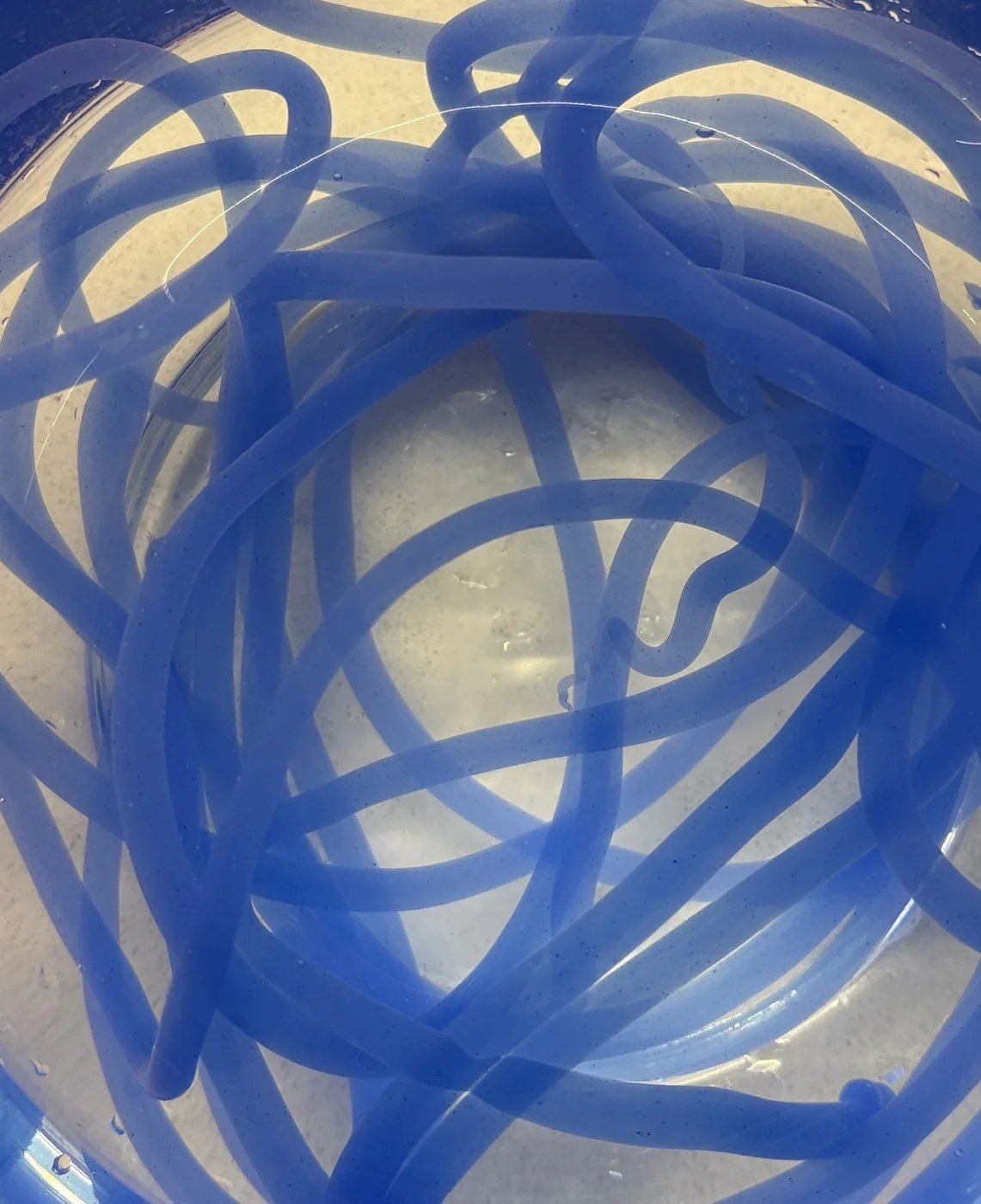
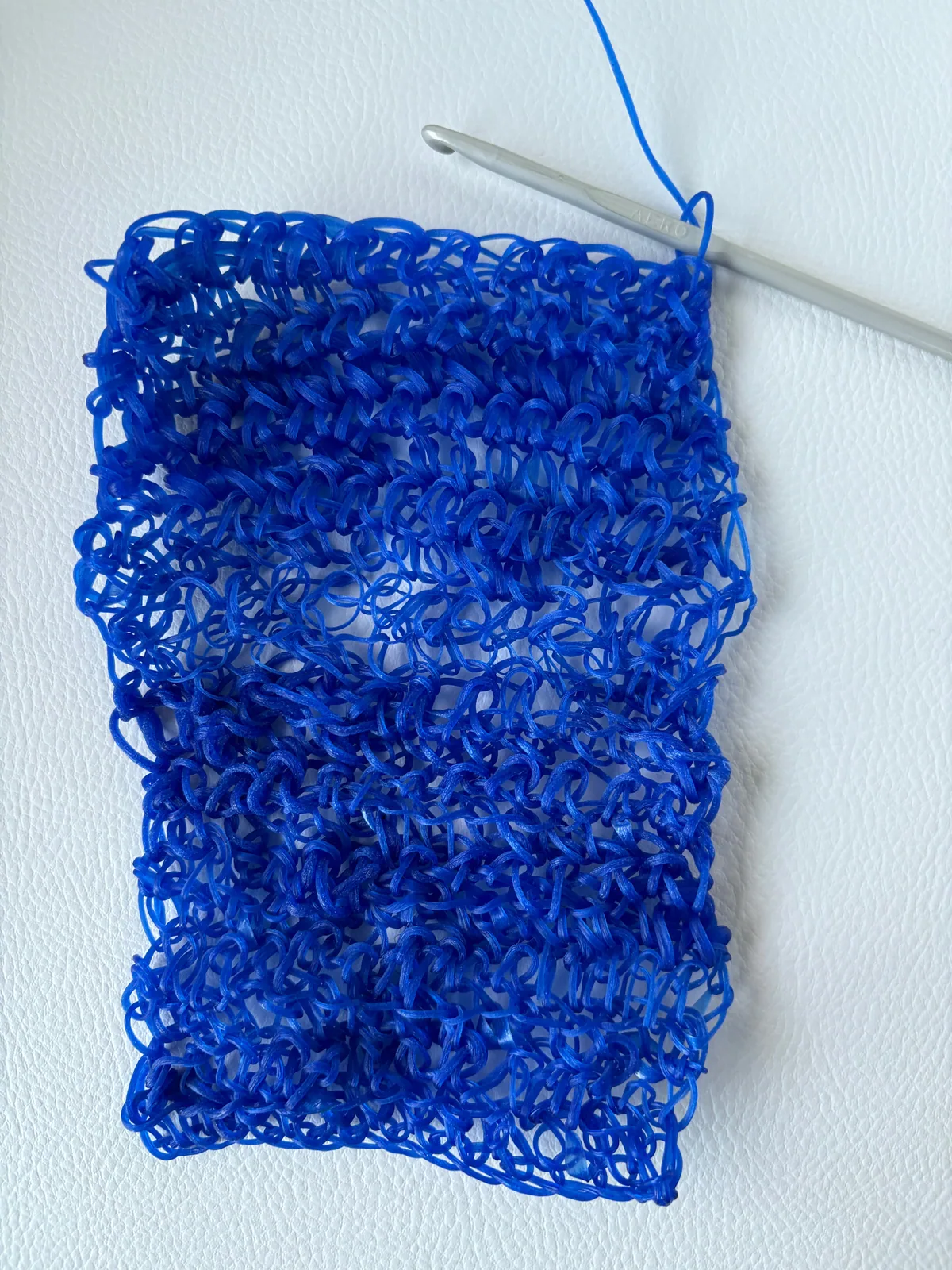
How it's made — by hand
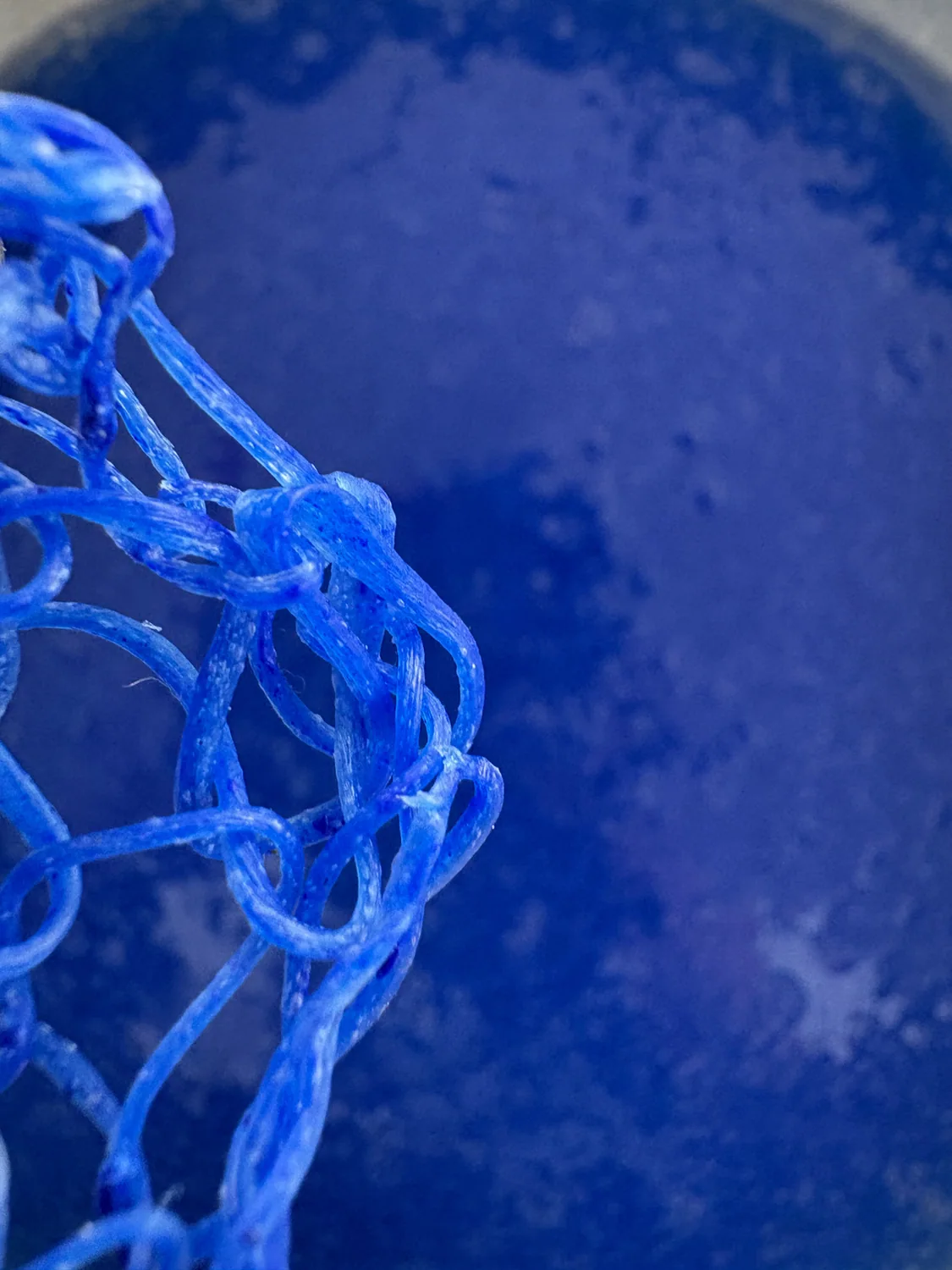
Because of its glycerine content the material releases slight moisture over time and its surface changes gradually — part of its living, biodegradable lifecycle, not a defect.
Why it matters
Packaging is the single largest sector for global plastic waste (Geyer, Jambeck & Law, 2017).
Seaweed is blue carbon — it cleans water and sequesters CO2, making the raw material net-positive at source.
Per European Bioplastics (2015) classification, algal alginate sits in the most favourable quadrant: biobased + renewable + home-compostable + biodegradable — beyond PLA, PHA and PBAT.
Emmetex for Art
“Berrak Zeynep Okyar's Mother of Pearl capsule collection with Studio Mamo is the result of in-depth exploration of bio-based materials and their application for an artistic and innovative vision of packaging.”
Berrak Zeynep Okyar × Emmetex · Art Direction: Studio Mamo


 Carrousel du Louvre, Paris
 Before Luxe Pack